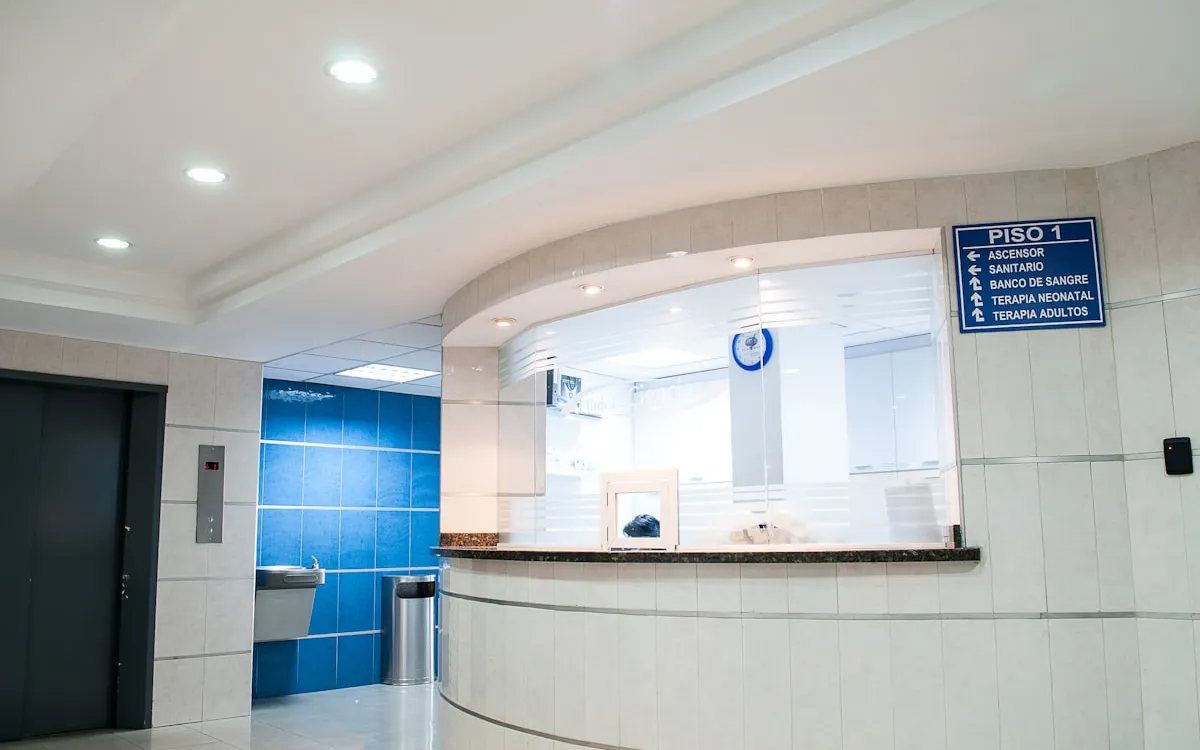
Medical Facility Sanitation: Best Practices
Medical Facility Sanitation: Best Practices
Medical facility sanitation requires the highest standards of cleanliness and disinfection. Learn about the essential practices for maintaining a safe and sterile healthcare environment.
1. Critical Areas and Protocols
High-Risk Areas
- Operating rooms
- Emergency departments
- Isolation rooms
- ICU facilities
- Laboratory areas
- Patient rooms
Sanitation Protocols
- Terminal cleaning procedures
- Infection control measures
- Proper PPE usage
- Waste management
- Spill response
- Documentation requirements
Critical Considerations
- Use hospital-grade disinfectants with proper dwell times
- Follow proper cleaning sequence from clean to dirty areas
- Maintain detailed cleaning logs and documentation
Ensure Healthcare Safety Standards
Cleaning Beez specializes in medical-grade cleaning and sanitization services that meet or exceed healthcare industry standards. Our trained professionals understand the critical nature of healthcare environments.
Get a Free QuoteRelated Articles
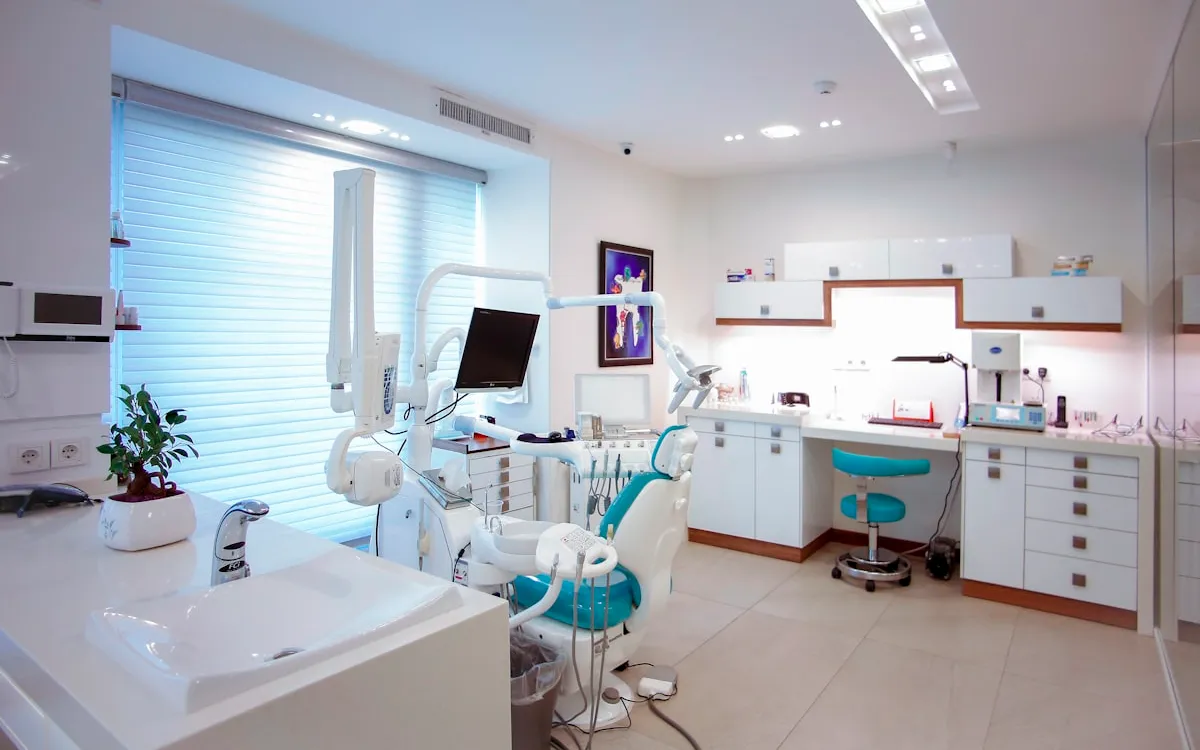
Medical Cleaning
Dental Office Cleaning Checklist: Infection Control Best Practices
A comprehensive cleaning checklist for dental offices covering operatories, waiting rooms, sterilization areas, and OSHA infection control requirements.
Read more
Medical Cleaning
How to Choose a Cleaning Service for Your Medical Office
What to look for when hiring a cleaning company for your medical practice, from HIPAA compliance to infection control training and proper chemical handling.
Read more
Medical Cleaning
HIPAA-Compliant Cleaning: What Your Medical Office Needs to Know
Understand how HIPAA regulations affect your cleaning procedures, from handling patient information during cleaning to proper waste disposal protocols.
Read more